
What does total knee replacement mean?
A total knee replacement also known as TKR or Knee arthroplasty is an intervention where in the doctor removes an arthritic knee joint and replaces it with an artificial one.
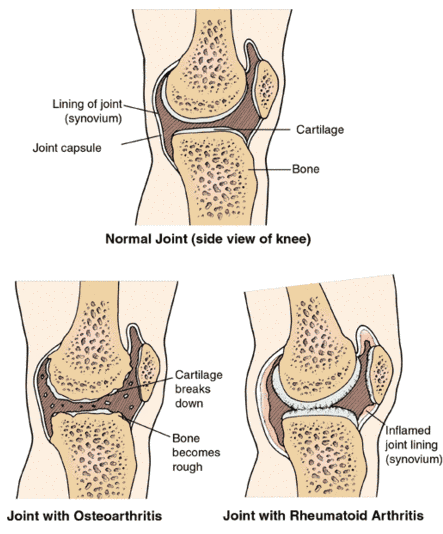
When is it indicated?
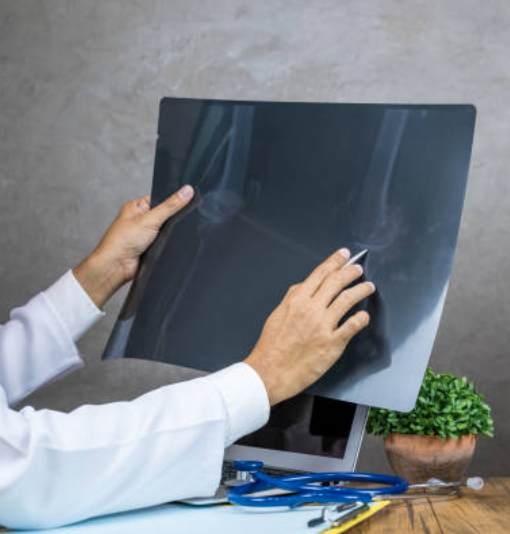
This procedure may be done when your knee joint is painful or is not working well and other treatments have not worked. X-rays will corroborate the clinical findings.
Are there any alternative to the Knee replacement?
Medications Like Paracetamol, aspirin, or other drugs for pain and inflammation
Activity Modifications: limiting activity (avoid squatting, stairs, and heavy lifting) and use a walking aid, such as a cane or walker using ice to reduce pain and swelling (Some people find heat helpful so you may want to try both.)
How does one prepare for a total knee replacement?
Because you may need blood transfusions during the operation or during recovery, you may want to donate some of your own blood before the procedure. Blood should be donated within 4 weeks of the procedure.
Plan for your care and recovery after the operation, especially if you are to have general anesthesia. Allow for time to rest and find people to help you with your day-to-day duties and care for at least the first week at home.
Follow any instructions we at the hospital may give you. Eat a light meal, such as soup or salad, the night before the procedure. Do not eat or drink anything after midnight on the day of the procedure. Do not even drink coffee, tea, or water.
Follow your physician or our team’s instructions about not smoking before and after the procedure. Smokers heal more slowly after surgery. They are also more likely to have breathing problems during surgery. For this reason, if you are a smoker, you should quit at least 2 weeks before the procedure. It is best to quit 6 to 8 weeks before surgery. Also, your wounds will heal much better if you do not smoke after the surgery.
Watch these 2 Simple infographics on preparing for surgery: Click here
What happens during the surgery?
A general or spinal anesthetic is given. A general anesthetic will relax your muscles and make you feel as if you’re in a deep sleep. It will prevent you from feeling pain during the operation. A spinal anesthetic is a drug that should keep you from feeling pain during the operation.
We will put a tourniquet above your knee and make a cut from above the kneecap to below it. next surgical step is to expose the knee joint, loosen the muscles connected to it, and turn the kneecap out of its place. Then we will remove the ends of the thigh and shin bones. We subsequently will cement the artificial replacement parts to the remaining ends of the bones. After the procedure the team will close the cut and put a bandage and a splint around your knee.
You may require a blood transfusion. The hospital will either use your donated blood or it will use matched blood.

What is Robotic Knee Replacement?
Just like in every sphere of life, Technology is aiding surgeons to improve the outcomes by aligning their joint better, customising it to ones need. The technology in indicated cases have shown to reduce blood loss and shorten the stay. While it is not mandatory that we use th technology, having them as an armamentarium and deploying it in opportune time helps.
Those interested can watch a YouTube video explaining the general practitioners and orthoepic surgeons in training how Robotic technology is bringing about a paradigm shift in the field of Total Knee Replacement. Click the link Below:
Robotic Knee Replacement in Mumbai: A paradigm Shift!
What happens after the procedure?
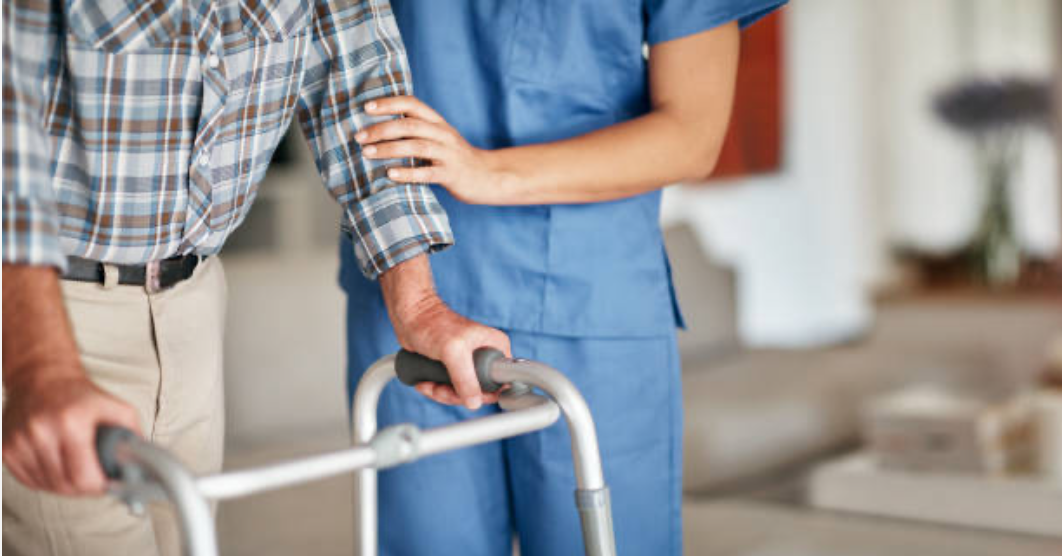
You may be in the hospital for 1 to 6 days, depending on how fast you heal. You will start walking with a walker, crutches, or cane as soon as possible. You may use a continuous passive motion machine (CPM) to keep your knee moving and prevent stiffness.
The replacement knee is designed for usual day-to-day activity. You will be restricted in your movements initially and will need some physical therapy for weeks to months after your surgery. You will not be able to participate in some sports or heavy activities. Enquire with us if you have any specific questions regarding the sporting activities.
Tell your dentists or GP that you have an artificial joint. If you are having dental work performed, you need to take antibiotics for the day before and the day of your dental care. Antibiotics must be used before and after any medical or dental procedure for the rest of your life.
What are the benefits of this procedure?
You may be able to resume a more normal life. The problems of a painful knee and being able to walk only limited distances should be relieved.
What are the risks associated with this procedure?
- There are some risks when you have general anesthesia. Discuss these risks with our anesthesia team..
- A blood clot may form in the veins and escape into the bloodstream and block an artery in the lungs. Youmay receive a blood thinner to prevent this.
- If you did not donate your own blood, the hospital will try to match your blood with donated blood. It is not always possible to avoid reactions with donated blood, and you may acquire a disease from donated blood.
- Your legs may not be the same length after the operation.
- Nerves may be injured from swelling or pressure, but this is rare.
- Infection or bleeding may occur.
- Long-term loosening of the new joint may occur (over 10 to 15 years). This occurs only a small percentage of the time.
Learn About Robotic Knee replacement
Exercises after Total Knee Replacement
Download patient Information on TKR:
 Dr Vaibhav Bagaria