What is Groin strain?
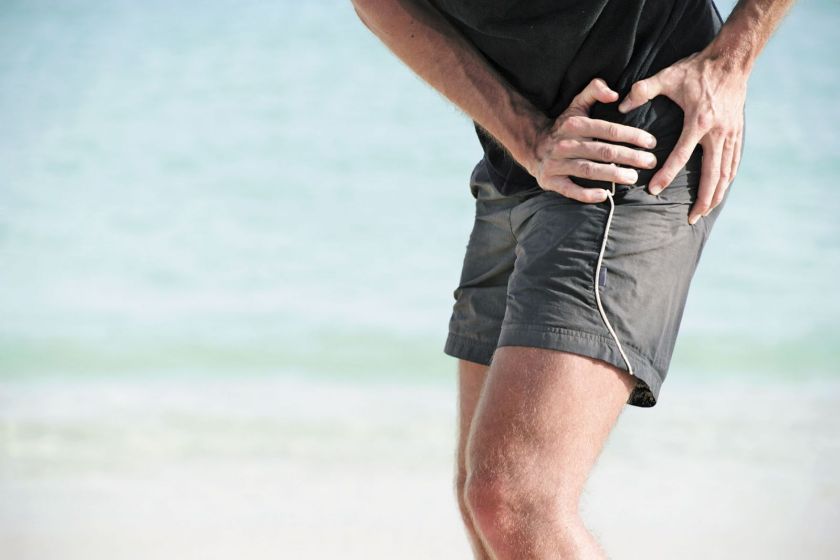
A pulled groin (or groin strain) is caused secondary to stress on the groin and thigh muscles. If these muscles are tensed too forcefully or too suddenly, they can be over-stretched or torn resulting in mild to severe pain.
What are the common symptoms of groin strain?
The symptoms will depend on degree of the injury:
- Pain and tenderness in the groin and the inside of thigh.
- Pain increases on bringing the leg together.
- Pain on climbing stairs and lifting the knee above certain degree.
- A popping or snapping feeling during the injury, followed by severe pain.
IS groin strain a common condition in Sportsperson?
Pulled groin is common in people who play sports that require a lot of running and jumping, especially suddenly jumping or changing direction.
Common sports include hockey, basket ball and volley ball.
How do we diagnose groin strain?
We diagnose it clinically based on the history and clinical examination
Common tests include X-rays, Blood work and US. If in doubt MRI is the investigation of choice and usually gives a conclusive evidence.
How is groin strain treated?
A pulled groin will usually heal without any treatment and just needs time and rest. Following measures are usually helpful in accelerating the recovery:
- Ice Compress inside of your thigh to reduce pain and swelling. Put ice or a cold pack on your groin area for 10 to 20 minutes. Place a thin cloth between your skin and the ice/cold pack to avoid an ice burn to your skin. Do this frequently (every few hours during the day if possible) for the first three days or until the swelling goes down.
- Compress your thigh using an elastic bandage or tape.
- Pain and anti inflammatory medications like Ibuprofen will help with pain and swelling.
- Active stretching and strengthening exercises.
- Until your groin feels completely better, switch to a different activity that won’t put too much stress on your groin muscles. For example, runners could try swimming to stay fit until the groin problem has resolved.
- One should use the level of pain to guide how much exercise you should do. if the exercises are too aggressive or frequent then further damage may occur.
How much time does recovery take and how do I know if I am recovering?
The recovery time depends on how serious your groin strain is. It often takes about four to six weeks but different people heal at different rates. It is important to completely help before going back to sports or otherwise there is possibility of recurrent tear turning into a chronic injury that is quite difficult to treat.
Is there a role for Surgery?
Most cases heal without any surgical intervention however if the symptoms do not improve for more than 3 months and the patient is unable to resume the sporting activity – a surgical intervention is considered.
What are the preventive measure to avoid groin strain?
- Always warm up thoroughly, including your legs and groin muscles, before any physical activity.
- Always slowly increase the intensity of your physical activity and build up gradually.
- Good Foot wear: Wear shoes with good support that fit well.
- Do not Over exercise: Stop exercising if you feel pain or tightness in your groin or the inside of your thigh.
- Do regular strengthening exercises for your thigh muscles.
Ensure proper conditioning and muscle strength of allied areas: Groin injuries can result from added stress due to weakness elsewhere. Make sure your exercise/training programme addresses all areas, such as ankle, knee and core, and this will help to prevent sports injuries such as a pulled groin.
 Dr Vaibhav Bagaria